
Local guide
How to Visit Morocco from Spain in One Day
Yes, you can visit Morocco from Spain in a day: fast ferries cross Tarifa–Tangier in 45-60 minutes, most passports enter visa-free, and organised trips from Seville, Tarifa or Marbella handle transfers, tickets and a guided Tangier day for €180-350 depending on group size. Here's exactly how the day works, border included.
The ferry options & timings
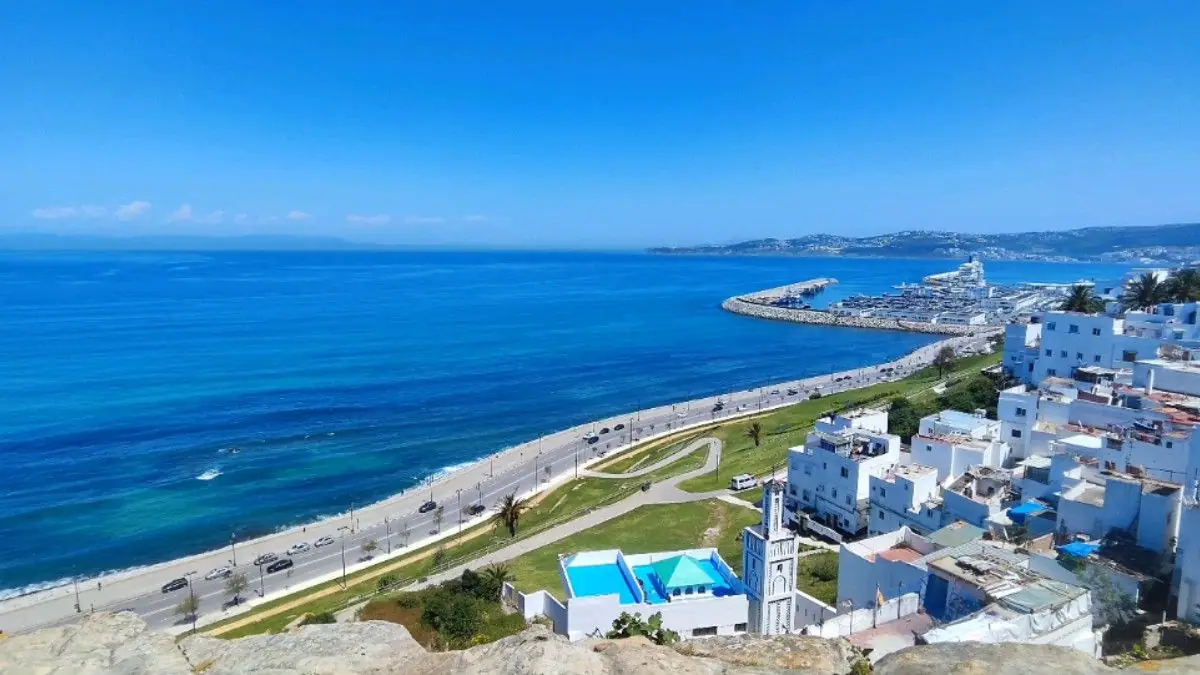
Tarifa–Tangier Ville is the practical spine of a Spain-to-Morocco day trip. Fast ferries usually take 45 to 60 minutes, landing you in the city port rather than a distant industrial quay — which protects the hours you actually spend in Tangier. Schedules thicken in summer and thin in winter; wind and swell in the Strait can shift departures, so treat published times as a framework and build buffer on both ends. Book a sailing that leaves room for Spanish road traffic, check-in, and Moroccan formalities without turning lunch into a sprint. Algeciras routes exist and suit some itineraries, but they often involve a different Moroccan arrival point and more transfer time, which costs you medina and coast hours. An organised trip coordinates the sailing with private transfers and a guide meeting point, so you are not juggling tickets, WhatsApp groups and taxis in two currencies. Arrive when your operator requests — early is calmer than cutting it fine. If you travel independently, confirm the return sailing before you leave Tarifa, keep boarding passes accessible, and assume the midday crossings are the busiest. The ferry is the easy part; the day succeeds when the ferry is planned as one chapter of a single itinerary, not a standalone errand.

The border, step by step (passport stamps both ways)
Bring the passport required for your nationality, check current entry rules before you book, and keep a little patience for queues — especially in peak summer. Moroccan entry formalities happen on the ferry or at the port; your passport is stamped on arrival into Morocco and stamped again on return to Spain. That two-way stamp cycle is normal and expected; it is not a problem if you planned time for it. Validity rules vary by nationality, but confirming six months' remaining validity is a sensible minimum before you lock dates. Families should keep children's documents ready; solo travellers should keep bags closed and phones charged for photos of tickets if asked. Queues expand when several ferries stack or when holiday traffic peaks, so published timings are a guide, not a guarantee. A local ground team meets you after formalities and flexes the Tangier programme if the crossing runs long — which is why guided days feel calmer than DIY on a first visit. Do not schedule a tight dinner reservation in Spain for the same evening without buffer. Declare only what rules require; for a standard tourism day with personal belongings, the process is straightforward. The border is not the adventure — Tangier is — but treating stamps as a timed step keeps the adventure intact.

From which Spanish city? (Tarifa / Seville / Marbella)
Where you sleep in Spain shapes the shape of the day. Tarifa is closest: shortest road time, earliest ferry options, and the cleanest focus on Tangier itself — ideal if you want maximum Morocco hours. Seville adds a private transfer south past Cádiz's white villages to Tarifa, creating a long but memorable door-to-door day that feels like two continents and a road movie; organised trips commonly price in the €180–350 range depending on group size because vehicle and guiding are private or small-group. Marbella and the western Costa del Sol also work with an earlier coastal pickup, though the alarm clock rings sooner and the day is longer in the seat. Choose based on where you already are, how much road time you enjoy, and whether you want a focused Tangier hit or a full Spain-to-Africa spectacle. If you can overnight near Tarifa, logistics shrink; if you are based in Seville or Marbella, a managed itinerary keeps ferry, border and guiding as one product instead of four apps. There is no universally “best” start — only the best start for your hotel key. Compare transfer duration honestly before you book the romance of the crossing alone.

What a guided day includes vs going solo
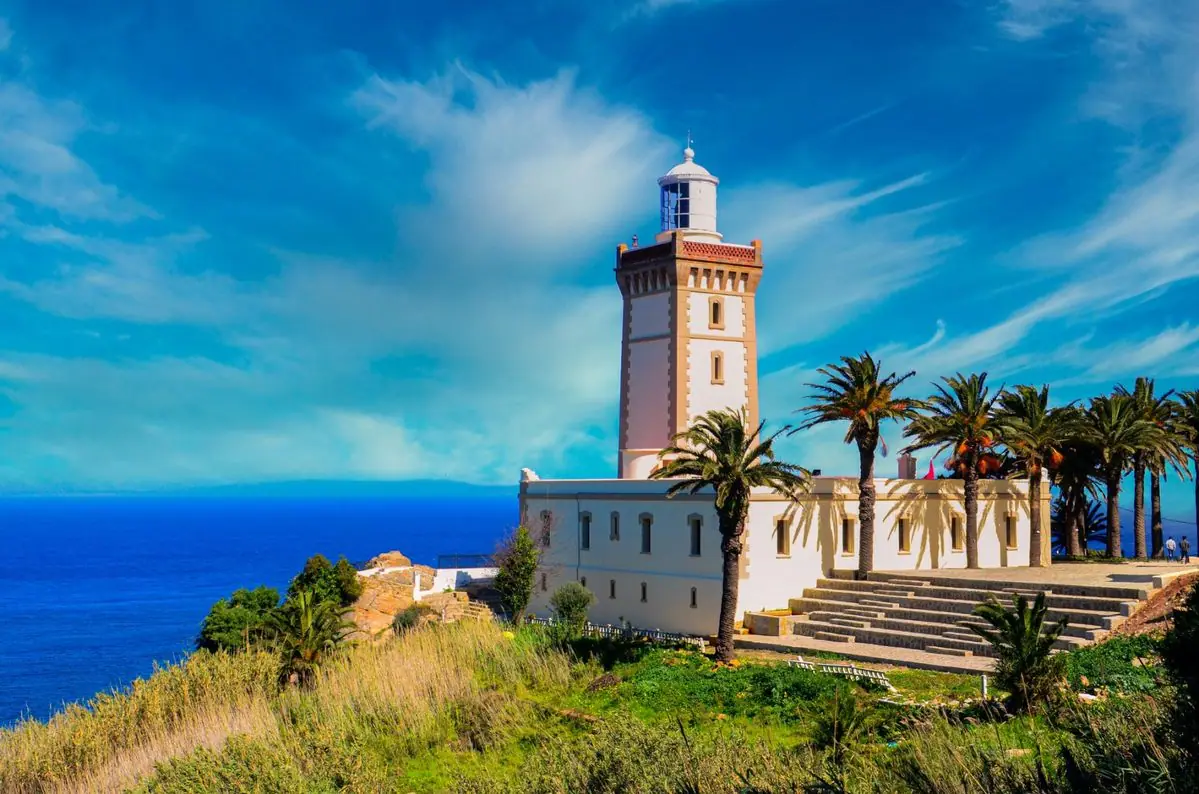
Going solo gives freedom: your pace, your cafés, your rabbit holes in the medina. It also asks you to coordinate ferry tickets, border timing, port orientation, a taxi or driver, a route you have never walked, and a return sailing that will not wait. On a first visit, every delayed connection subtracts from Morocco itself. A guided day folds those moving parts into one plan: licensed local guide, private or small-group transport, kasbah and medina time, Cap Spartel, the Caves of Hercules, and a proper lunch stop — typically the arc travellers remember. You still get free moments for tea or photos; you do not spend them hunting ATMs or arguing taxi prices in a language you are still learning. Solo is realistic if you speak some French or Spanish, travel light, and keep the programme deliberately simple — medina and lunch, not every coastal stop. Guided is the better default for families, tight one-day windows, and anyone who wants the border to feel handled rather than heroic. Prices for organised Spain departures often sit around €180–350 depending on group size and starting city, reflecting vehicle time more than ferry fares alone. Choose guided when the day must work; choose solo when the day can wander.
Money: euros work, what things cost
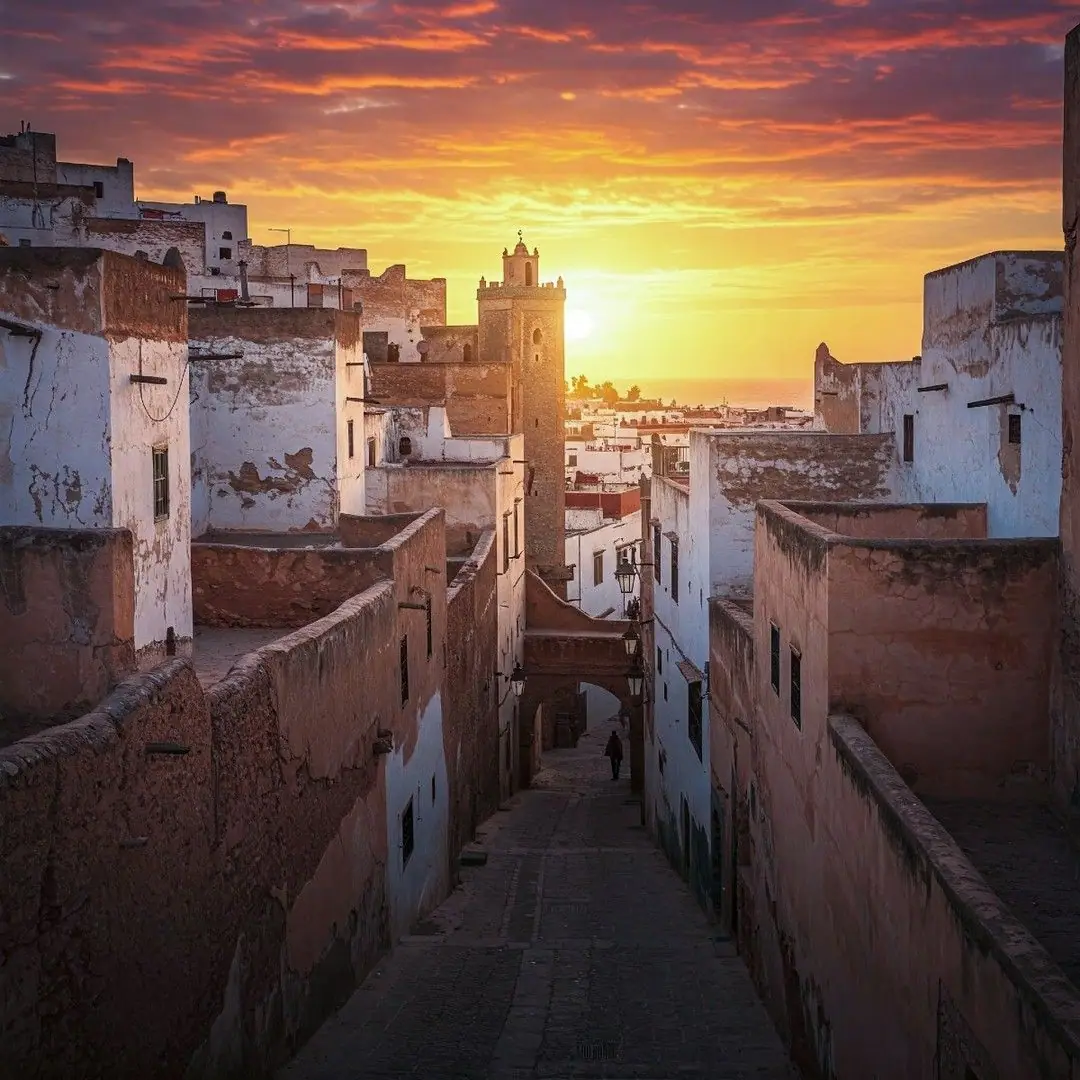
For a short Tangier visit, euros are widely accepted in tourist-facing restaurants, some shops and organised services — which is why a day trip rarely requires a full currency strategy. Still, small amounts of Moroccan dirhams help for cafés, modest medina purchases and tips where cards fail. Use official ATMs if you need cash; avoid informal exchangers promising miracle rates. Cards work at many hotels and larger restaurants, less so in tiny stalls. Confirm prices before accepting services or buying fish or goods sold by weight. A guided itinerary usually clarifies what is included (transfers, guiding, often ferry coordination) so your flexible spend is lunch upgrades, crafts and tips. Budget modestly: mint tea is cheap, a simple fish lunch is approachable, and impulse textiles add up faster than you expect. Do not exchange more money than you can comfortably use before the return ferry — leftover dirhams are a nuisance more than a prize. Keep a card and a little cash in separate places. The honest cost of the day is mostly the organised package or your DIY ferry-plus-taxi stack; Tangier itself does not require luxury budgets to feel complete in twelve hours.
Is one day in Morocco worth it?
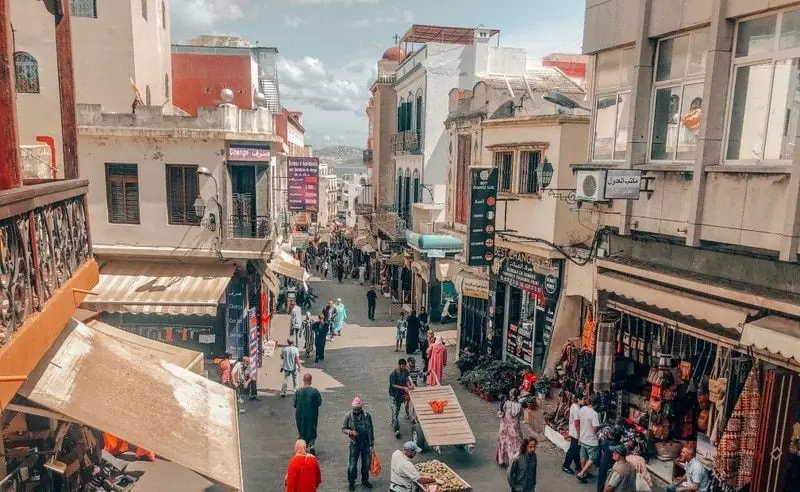
Yes — if you treat it as an introduction, not a conquest of the whole country. In one well-run day you can cross continents, walk a white kasbah, eat a real Moroccan meal, and stand where the Atlantic meets the Mediterranean. The sensory contrast from southern Spain is immediate: call to prayer, spice lanes, different light, a different pace. The limitation is equally honest: the ferry and border consume real time; you will not reach Chefchaouen, Fes or the Sahara; and a compressed timetable leaves less room for getting lost on purpose. Travellers who expect “all of Morocco by dinner” leave disappointed. Travellers who expect a vivid first chapter leave energised — and often book the overnight next time. For holidaymakers short on days between Seville, Tarifa or Marbella commitments, the day trip is one of the highest-contrast experiences available in southern Europe. Stay overnight if you want Tangier after the day visitors leave, or if you already know you want the Rif and the blue city. Worth it? Yes, with clear eyes about the limit. The limit is geography and clocks — not the city's ability to impress in a single day.
Turning it into 2 days (Chefchaouen add-on)
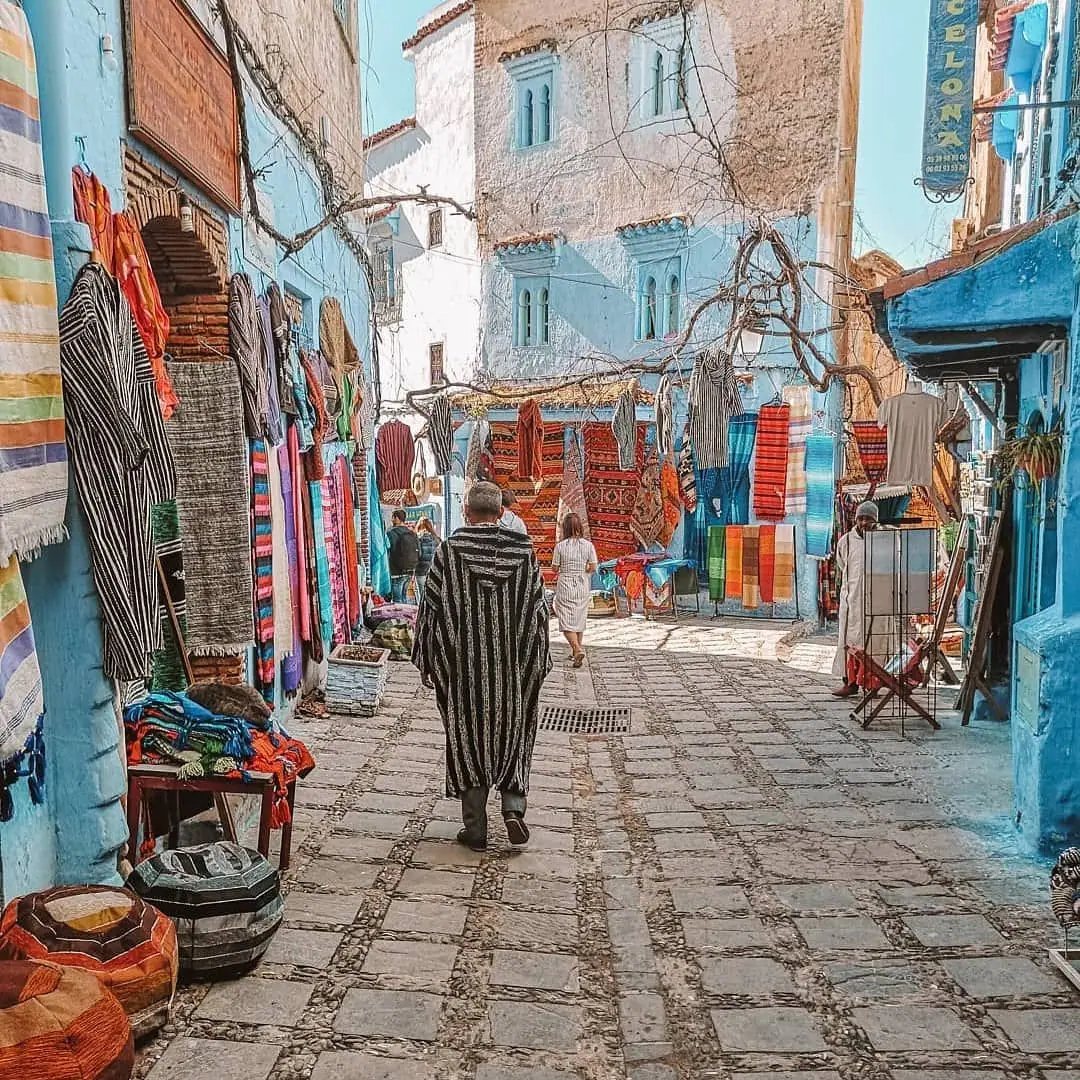
Two days create the breathing room a one-day itinerary cannot offer. Day one: cross from Spain, clear the border without watching every minute, and give Tangier a full afternoon and evening — kasbah light, Café Hafa or a rooftop, fish where locals eat, sleep in the city. Day two: take the Rif road to Chefchaouen for blue medina lanes, lunch and a viewpoint, then return toward Tangier or your onward ferry according to plan. This version suits travellers who want northern Morocco as a region, not a highlight reel. Ferry delays matter less when you are not racing the same evening's sailing. Photography improves when you catch a quieter morning. Families cope better with a hotel night than a fourteen-hour push. Pair a Spain arrival with our Chefchaouen day-trip logic, or stay two nights if Akchour calls. The upgrade from one day to two is not “more checklist” — it is the difference between visiting and arriving. If your Spanish base allows, the two-day corridor is the product we recommend most often after a first successful day trip.
Frequently asked questions
Do I need a visa?
Requirements depend on nationality. Many EU, UK, US, Canadian and Australian visitors enter visa-free for short tourism stays; always verify current rules for your passport before booking.
How long must my passport be valid?
Rules vary by nationality, but six months' remaining validity is a sensible minimum to confirm before you travel.
Are the seas rough?
The Strait can be breezy and occasionally rough. Fast ferries run year-round, but schedules may adjust for weather — build buffer into your day.
Is Tangier suitable for solo female travellers?
Yes, with normal city awareness. A licensed guide or organised day from Spain adds ease on a first visit, especially around the port and border timing.